University Students
TARA is dedicated to empowering the next generation with the skills and knowledge necessary to pursue impactful careers in environmental & economic sustainability, and sustainable livelihoods. Acknowledging the evolving challenges in sustainable development, our capacity-building programs are meticulously designed to provide students and emerging professionals with practical expertise, enabling them to make meaningful contributions as they transition into the workforce. Our capacity-building initiatives cover a broad range of critical topics:

Who Should Attend?
- Students and educators interested in environmental science and water resource management.
- Professionals and activists working in public health, water conservation, or sustainable development.
- Anyone eager to contribute to community well-being through improved water management practices.
| Notify for the workshop |
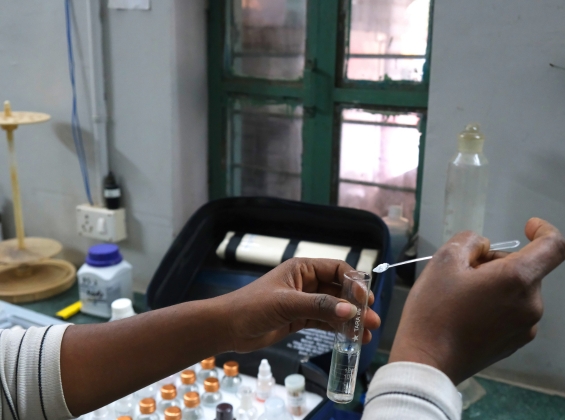
Water Quality Understanding, Testing, and Analysis
This hands-on workshop offers students an in-depth experience in water quality monitoring. Participants learn to test and analyze water samples using advanced equipment, ensuring the ability to identify and secure safe drinking water sources in any setting. A crash course on public health and the environment, and activating community engagement in sustainable water management
Key Takeaways
-
1. Introduction to Water Quality Monitoring:
Understand the critical parameters of water quality, including turbidity, hardness, fluoride, nitrate, coliform bacteria, and ammonia. Gain foundational knowledge about their impact on health, ecosystems, and community well-being. -
2. Hands-On Testing with JAL-TARA Kit:
Learn to use the JAL-TARA water testing kit through practical demonstrations and exercises. Participants will conduct real-time water tests, interpret results, and identify contaminants with precision. -
3. Data Analysis and Reporting:
Delve into the scientific process of data analysis and reporting. Understand how to use testing results to inform community decision-making and advocate for improved water management practices. -
4. Linking Water Quality to Public Health and Environment:
Participate in a crash course exploring the intersection of water quality, public health, and environmental sustainability. Discover how poor water quality affects communities and ecosystems, and learn strategies to mitigate these risks. -
5. Activating Community Engagement:
Develop techniques to raise awareness and mobilize communities toward sustainable water management practices. Participants will learn how to lead initiatives and advocate for safe water access within their networks.
Who Should Attend?
- Students and educators interested in water conservation and environmental restoration.
- Community leaders and environmental advocates aiming to address water scarcity and ecosystem degradation.
- Anyone passionate about creating sustainable solutions for water resource management.
| Notify for the workshop |
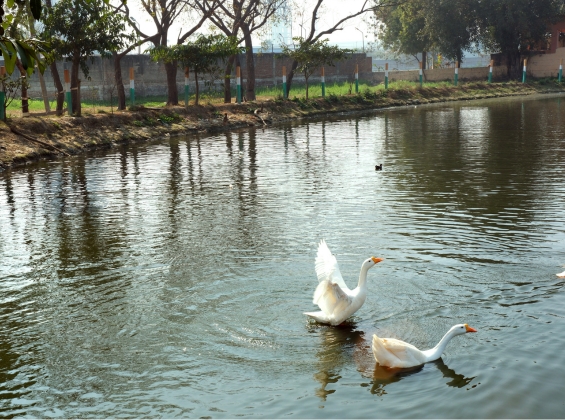
Learning Programme: Rejuvenating Peri-Urban Pond Ecosystems:
Rejuvenating Peri-Urban Pond Ecosystems Learning Porgramme is a hands-on educational initiative aimed at addressing the rapid loss of our country’s ponds due to declining water-holding capacities, erosion, and siltation. This program empowers participants with the knowledge and skills needed to revive these vital water bodies, helping to restore ecosystems and enhance groundwater replenishment at the community level.
Key Takeaways
-
1. Understanding the Crisis of Ponds:
Gain insights into the ecological and cultural significance of ponds in peri-urban areas, the challenges they face due to urbanization and neglect, and their critical role in water conservation and biodiversity. -
2. Skills for Pond Assessment:
Learn how to assess the current state of a pond, including water quality, siltation levels, vegetation cover, and surrounding land use. Participants will explore techniques for identifying key issues affecting pond health. -
3. Restoration Strategies:
Explore practical solutions for pond rejuvenation, such as desilting, erosion control, waste management, and reintroducing native plant species. Learn how to implement these strategies effectively within local contexts. -
4. Community Engagement for Impact:
Understand how to engage and mobilize local communities to participate in pond restoration efforts. Explore best practices for fostering collaboration among stakeholders, including schools, community groups, and local authorities. -
5. Interactive Activity:
Participate in a step-by-step demonstration of the pond restoration process, including mapping ecosystem challenges, prioritizing interventions, and designing actionable solutions tailored to specific community needs.
Who Should Attend?
- Students and educators interested in environmental conservation and waste management.
- Young leaders looking to address the challenges of plastic pollution in their communities.
- Anyone passionate about promoting sustainability and circular economy practices.
| Notify for the workshop |
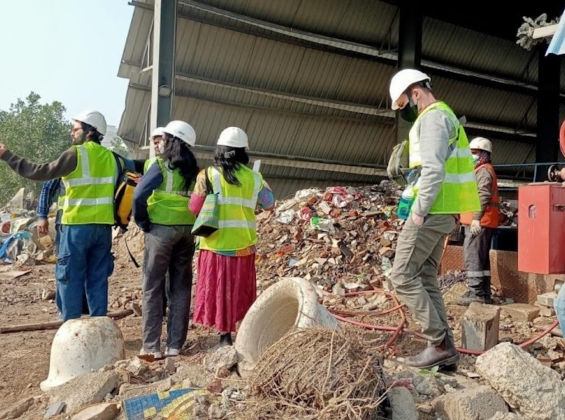
Effective Management of Plastic
Effective Plastic Management Workshop" is an engaging program that offers participants practical insights and strategies for managing and reducing plastic waste. By promoting sustainable practices aligned with circular economy principles, this program empowers students to take meaningful action toward reducing the environmental impact of plastic pollution.
Key Takeaways
-
1. Understanding the Plastic Challenge:
Learn about the concept of a circular economy and how it applies to plastic waste. Understand key principles like reduce, reuse, recycle, and redesign, and how these strategies can minimize waste and promote sustainable use of resources. -
2. Effective Waste Management Techniques:
Discover best practices for segregating, managing, and disposing of plastic waste responsibly. Explore innovative solutions, including compostable alternatives, upcycling, and community-driven recycling initiatives. -
3. Community Action and Advocacy:
Gain skills to lead community initiatives that reduce plastic use and promote sustainable practices. Learn how to engage peers, families, and local stakeholders in reducing reliance on single-use plastics and adopting eco-friendly alternatives. -
4. Hands-On Activity:
Participate in a practical exercise, such as a plastic waste audit or designing a plastic reduction campaign. This activity will help reinforce the learning objectives and provide actionable ideas for real-world implementation.
Who Should Attend?
- Professionals and students in architecture, urban planning, engineering, and sustainability.
- Policymakers and practitioners interested in integrating circular practices into urban development.
- Anyone passionate about sustainable design and construction.
| Notify for the workshop |
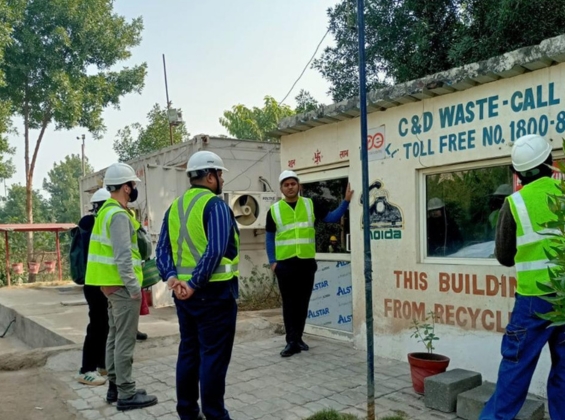
Circularity in Built Environment
Workshop on "Circularity in Built Environment" is a transformative program designed to introduce participants to the principles of circular economy and their application in the built environment. This program offers a global perspective, while emphasising innovative design, sustainable material selection, and practical frameworks to transition toward a circular and sustainable future.
Key Takeaways
-
1. Introduction to Circular Economy in the Built Environment:
Understand the fundamentals of circular economy concepts and their relevance to the construction and real estate sectors. Explore the environmental and economic benefits of circular practices in the built environment. -
2. Innovative Design and Material Selection:
Learn about innovative approaches to design and the use of sustainable materials that support resource efficiency. Explore real-world examples of how circular design principles can minimize waste and reduce environmental impact. -
3. Policy Frameworks and Global Perspectives:
Gain insights into global and Indian policy landscapes that support the adoption of circular practices in construction and urban planning. Understand how policies can drive innovation and sustainable development. -
4. Life Cycle Assessment (LCA) and Material Flow Analysis (MFA):
Dive into technical tools like LCA and MFA to evaluate the environmental impact of materials and processes throughout their lifecycle. Learn how to use these tools to make data-driven decisions for sustainable practices. -
5. Case Studies and Expert Discussions:
Explore real-world case studies showcasing successful circular practices in the built environment. Engage in discussions led by industry experts to gain practical insights and actionable strategies.
Who Should Attend?
- Aspiring social entrepreneurs looking for impactful ways to engage with rural communities.
- Development professionals aiming to refine their community engagement strategies.
- Students and professionals with a strong interest in sustainable development and inclusive growth.
- Anyone passionate about creating long-lasting change in rural ecosystems through entrepreneurial approaches.
| Notify for the workshop |
Course on Community Listening: Unlocking Entrepreneurial Insights
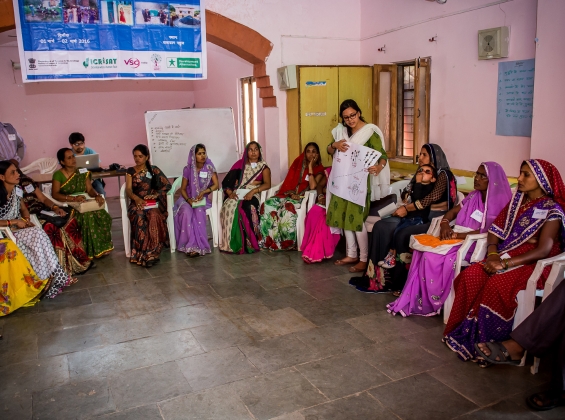
It is a hands-on workshop designed for individuals passionate about the development sector, entrepreneurship, and sustainable growth. It is ideal for those who envision themselves contributing to long-term, inclusive rural prosperity. This workshop emphasizes the art of listening deeply to community voices and needs, fostering a holistic understanding of the challenges and opportunities in rural contexts.
Key Takeaways
-
1. Understanding Community Dynamics:
Learn how to engage with rural communities to uncover their aspirations, challenges, and potential. Develop skills in empathy and active listening to identify entrepreneurial opportunities grounded in local realities. -
2. Entrepreneurial Thinking:
Explore how to apply innovative, sustainable solutions to address rural challenges. Discover frameworks for creating value-driven, inclusive businesses that contribute to local livelihoods and prosperity. -
3. Tools for Co-Creation:
Get introduced to participatory methodologies like PRA (Participatory Rural Appraisal) and community-driven innovation techniques that empower stakeholders to co-create solutions. -
4. Case Studies and Success Stories:
Dive into real-life examples of community-led entrepreneurship initiatives that have transformed rural ecosystems. Analyze what made them work and how you can replicate or adapt similar strategies. -
5. Actionable Takeaways:
By the end of the workshop, you’ll leave with actionable insights and practical tools to start or scale your initiatives in the development sector. Gain clarity on how to align your passion for entrepreneurship with sustainable development goals (SDGs).
Who Should Attend?
- Aspiring social entrepreneurs interested in the F&B sector and rural business development.
- Development professionals seeking innovative marketing solutions for rural and micro enterprises.
- Students and professionals passionate about creating impactful change through sustainable business models.
- Anyone eager to bridge the gap between rural enterprises and mainstream markets.
| Notify for the workshop |
Marketing Solutions for Enterprises in the F&B Sector
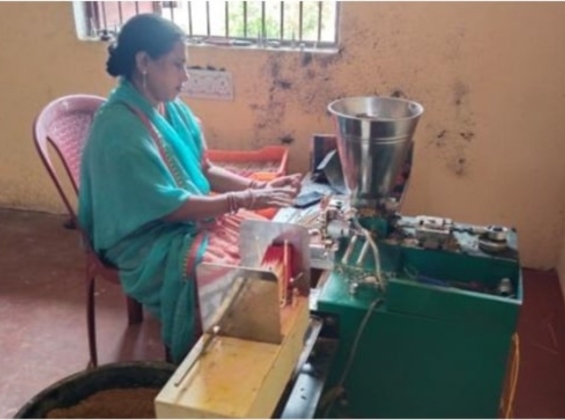
This is a practical, skill-based workshop tailored for individuals eager to drive impact in the food and beverage (F&B) sector, especially within rural and micro-enterprise contexts. It is ideal for those passionate about sustainable development, entrepreneurship, and market-driven solutions. This workshop focuses on equipping participants with the tools and strategies to navigate market trends and create innovative marketing solutions that empower small-scale F&B enterprises.
Key Takeaways
-
1. Understanding Market Dynamics:
Gain insights into market trends, consumer behavior, and the unique challenges faced by rural and micro F&B enterprises. Learn to identify opportunities to position products effectively within competitive markets. -
2. Strategic Marketing Solutions:
Discover frameworks and techniques to craft compelling marketing campaigns that highlight the value of rural F&B products. Develop skills in branding, pricing strategies, and creating value propositions aligned with market needs. -
3. Hands-on Tools and Techniques:
Learn practical methodologies such as market segmentation, SWOT analysis, and storytelling techniques tailored for rural enterprises. Understand how to use digital platforms and grassroots campaigns to amplify reach and impact. -
4. Case Studies and Real-World Applications:
Explore real-life success stories of innovative marketing strategies for F&B enterprises. Analyze what worked, why it worked, and how to replicate these strategies for small-scale businesses. -
5.Actionable Takeaways:
By the end of the workshop, you’ll leave with a toolkit of marketing strategies designed to empower rural entrepreneurs. Gain clarity on how to align your knowledge of marketing with the needs of small-scale F&B enterprises and sustainable growth.
Who Should Attend?
- Entrepreneurs looking to scale their businesses using e-commerce platforms.
- Young leaders looking to address the challenges of plastic pollution in their communities.
- Students and professionals interested in innovative business solutions and sustainable growth.
- Anyone passionate about harnessing the power of e-commerce to transform businesses.
| Notify for the workshop |
E-Commerce as a Growth Driver for Scaling Businesses
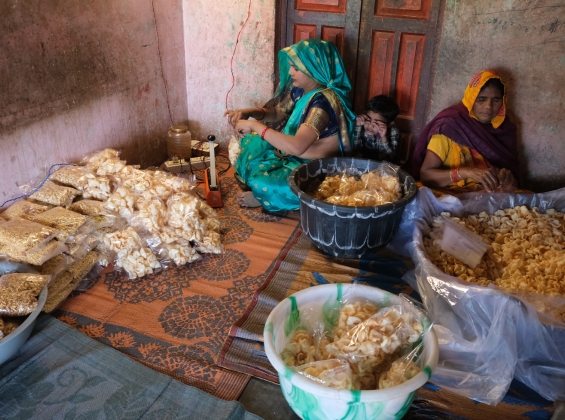
This course is designed for individuals passionate about leveraging e-commerce to scale businesses and expand market reach. Ideal for entrepreneurs, development professionals, and students, it focuses on the transformative power of e-commerce in driving innovation and sustainable growth. With insights from IMEDF experts, the course delves into real-world examples of how micro-enterprises have successfully scaled their operations using e-commerce solutions.
Key Takeaways
-
1. Understanding the E-Commerce Landscape:
Gain a comprehensive understanding of the e-commerce ecosystem, its potential for scaling businesses, and the latest trends in online marketplaces. Learn how to position products and services effectively in the digital marketplace. -
2. Strategies for Scaling Businesses:
Discover innovative approaches to using e-commerce as a tool to expand market reach and build resilient business models. Learn the key steps for transitioning traditional businesses to online platforms. -
3. Expert Insights from IMEDF:
Hear from IMEDF experts who share their experiences in enabling micro-enterprises to thrive through e-commerce. Gain practical knowledge from their success stories and best practices. -
4. Tools and Platforms for Growth:
Explore various e-commerce tools and platforms that help businesses optimize operations, improve visibility, and enhance customer engagement. Learn how to leverage data analytics to track growth and refine strategies. -
5. Case Studies and Success Stories:
Dive into real-life examples of micro-enterprises that have transformed their businesses through e-commerce. Analyze what contributed to their success and how these strategies can be replicated. -
6. Actionable Takeaways:
By the end of the course, you’ll have a clear roadmap for using e-commerce to scale businesses. Gain practical tools and strategies to support micro-enterprises and drive sustainable growth through digital innovation.
Who Should Attend?
- Aspiring social entrepreneurs and professionals interested in rural enterprise development.
- Development practitioners looking to enhance their understanding of cluster development.
- Students and professionals passionate about promoting sustainable livelihoods.
- Anyone seeking to support rural traditional artisans in scaling their businesses.
| Notify for the workshop |
Scaling Rural Enterprises and Sustainable Livelihoods
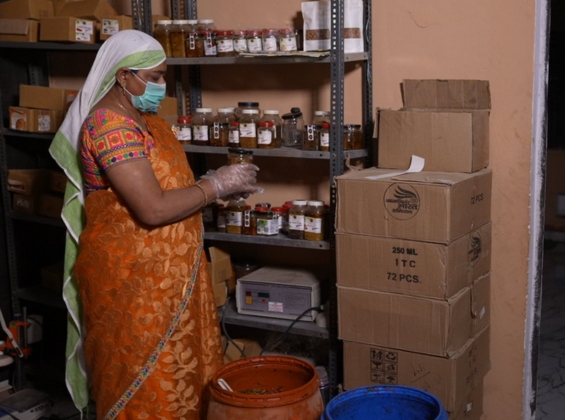
This course is crafted for individuals passionate about driving sustainable growth in rural communities by fostering innovation and resource optimization. Ideal for development professionals, aspiring entrepreneurs, and students, it provides a deep dive into strategies for creating sustainable livelihoods. The course covers marketing and financing strategies for cluster development and emphasizes empowering rural traditional artisans to scale their enterprises effectively.
-
1. Building Sustainable Livelihoods:
Learn how to enable rural communities to optimize resources, develop innovative approaches, and create resilient livelihood opportunities. Explore pathways to ensure long-term sustainability for rural enterprises. -
2. Cluster Development Strategies:
Understand the fundamentals of cluster development, including planning, organizing, and managing clusters of rural enterprises. Dive into specific strategies for supporting traditional artisan clusters to scale operations and increase market competitiveness. -
3. Marketing and Financing Approaches:
Gain insights into tailored marketing strategies for rural products and enterprises. Learn about financing models and approaches that support rural entrepreneurs and drive growth in traditional sectors. -
4. Empowering Traditional Artisans:
Explore methods to uplift rural traditional artisans by integrating modern business practices, design interventions, and market linkages. Understand how to preserve cultural heritage while enhancing livelihoods. -
5. Case Studies and Real-World Insights:
Analyze success stories of rural enterprises and artisan clusters that have achieved sustainable growth. Learn from their challenges and triumphs to apply practical solutions in real-world contexts. -
6. Actionable Takeaways:
By the end of this course, you’ll be equipped with tools and strategies to support rural enterprises and drive sustainable livelihoods. Gain clarity on how to empower communities through innovative approaches and contribute to inclusive growth.
Who Should Attend?
- Professionals and entrepreneurs exploring sustainable technological solutions.
- Development practitioners focusing on climate adaptation and mitigation strategies.
- Students and researchers interested in low-carbon innovations and eco-friendly practices.
- Anyone passionate about building a green, sustainable future through technology.
| Notify for the workshop |
Building a Green Future: Impact of Low Carbon and Eco-Friendly Technologies
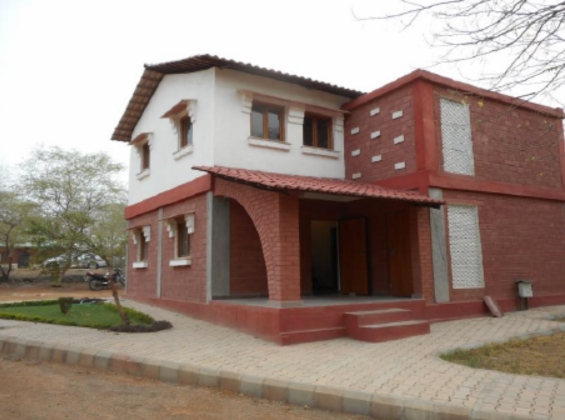
This program explores how technological advancements can align with Nationally Determined Contributions (NDCs) to foster job creation and support climate adaptation and mitigation. The facilitators demonstrate low-carbon cement technology, showcasing drinking water solutions tailored to different geographies, promoting eco-friendly concrete technology for brick production, and providing affordable, clean energy solutions.
Key Takeaways
-
1. Exploring Low-Carbon Cement Technology:
Understand the transformative impact of low-carbon cement in reducing emissions. Learn about its applications and potential to revolutionize construction practices for a greener future. -
2. Innovative Drinking Water Solutions:
Discover tailored drinking water solutions designed to address the unique needs of diverse geographies. Gain insights into sustainable water management and access strategies. -
3. Eco-Friendly Concrete and Brick Technology:
Learn about advancements in eco-friendly concrete and brick production technologies that minimize environmental impact while promoting scalability and affordability. -
4. Affordable, Clean Energy Solutions:
Explore practical clean energy solutions that are cost-effective and adaptable for different settings. Understand their role in promoting energy access and reducing dependency on conventional fuels. -
5. Live Demonstrations and Applications:
Engage in live demonstrations of low-carbon and eco-friendly technologies by experienced facilitators. Gain hands-on exposure to tools and techniques that address real-world challenges. -
6. Actionable Takeaways:
By the end of this program, you’ll be equipped with knowledge and strategies to implement low-carbon technologies and eco-friendly solutions. Gain clarity on how to align these innovations with climate adaptation and mitigation goals.
All form fields are required.